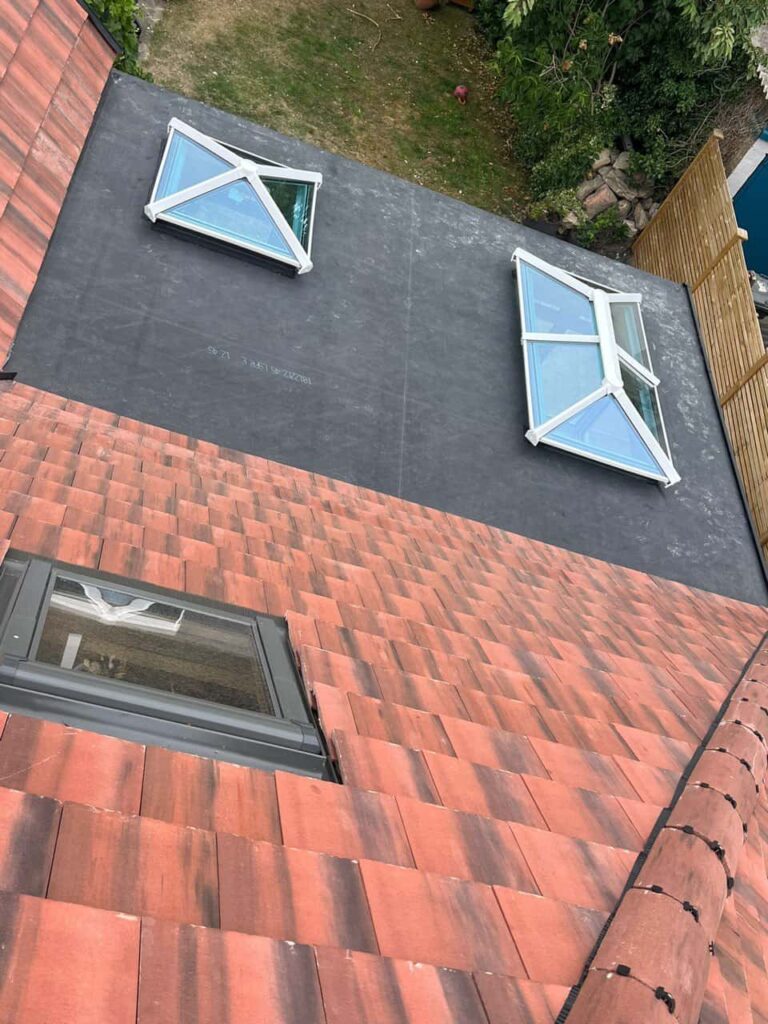
A pitched roof provides essential protection against the weather, but like any part of a property, it can develop problems over time. Missing tiles, damaged flashing, leaks and blocked gutters are just some of the issues that can affect a roof’s condition and performance.
For homeowners in Cambourne, Cambridgeshire, dealing with roofing problems early can help prevent relatively minor defects from developing into more extensive damage. Understanding the most common pitched roof issues can also make it easier to recognise when professional attention is needed.
Common Pitched Roof Problems
Pitched roofs are made up of several components, including tiles or slates, underlay, battens, flashing, roof timbers and drainage systems. Problems with any of these elements can affect the roof as a whole.
Some issues are easy to spot from ground level, while others may only become apparent when water enters the property or a professional inspection is carried out.
Missing or Broken Roof Tiles
Tiles can become cracked, slipped or completely dislodged due to weather exposure, impact or deterioration over time. Even a small gap can allow rainwater to reach the layers beneath the roof covering.
Where the surrounding roof remains in good condition, individual damaged tiles can often be replaced. The affected area should also be checked to make sure the underlying materials have not been compromised.
Roof Leaks
Water staining on ceilings or walls can indicate a problem with the roof. However, the location of an internal stain does not always correspond directly with the point where water entered.
Leaks may result from damaged tiles, deteriorated flashing, failed roof junctions or defects beneath the roof covering. Finding the source is therefore an important part of carrying out an effective repair.
Damaged or Deteriorated Flashing
Flashing is used around areas such as chimneys, roof valleys and junctions to help prevent water from entering vulnerable points.
Over time, flashing can crack, lift or deteriorate. If it no longer provides an effective seal, water may penetrate the roof structure. Depending on its condition, flashing may need to be repaired, resealed or replaced.
Blocked or Damaged Gutters
Gutters play an important role in directing rainwater away from the roof and property. Leaves, moss and other debris can restrict water flow, causing gutters to overflow.
Persistent overflowing water can contribute to dampness and deterioration around roof edges, fascia boards and external walls. Keeping drainage systems clear is therefore an important part of roof maintenance.
Moss and Organic Growth
Moss can develop on roof coverings, particularly where moisture remains on the surface for extended periods. Excessive growth can retain moisture and may contribute to the deterioration of roofing materials.
Removing moss needs to be approached carefully to avoid damaging tiles or disturbing the roof covering. A professional assessment can help determine whether cleaning or further maintenance is appropriate.
Damaged Roof Timbers
Roof timbers provide much of the structural support for a pitched roof. Persistent moisture caused by leaks or poor ventilation can contribute to timber deterioration.
Signs of a potential structural issue can include sagging sections, visible timber damage or movement within the roof. These problems should be assessed professionally because repairing the visible symptom without addressing the underlying cause may not resolve the issue.
How Are Pitched Roof Repairs Carried Out?
The correct repair depends on the source and extent of the problem. A professional roofing inspection should identify the affected components before work begins.
For example, a small number of damaged tiles may require straightforward replacement, while a recurring leak could require investigation of flashing, underlay or roof junctions.
Where deterioration is more widespread, a larger section of the roof may need remedial work. The aim should be to address the underlying defect rather than simply covering up visible signs of damage.
When Should You Arrange a Roof Inspection?
It is sensible to arrange an inspection if you notice water marks, damp patches, slipped tiles, damaged flashing, sagging areas or other changes to the roof.
After periods of severe weather, checking for obvious damage can also help identify issues before they develop further. Problems that are addressed early may be easier to manage than defects that have allowed moisture to affect the roof structure over a prolonged period.
Pitched Roof Repairs in Cambourne, Cambridgeshire
A pitched roof can develop a range of problems as it ages, but many issues can be addressed when identified promptly. From replacing damaged tiles to repairing flashing, investigating leaks and dealing with deteriorated components, the appropriate solution depends on the condition of the individual roof.
Cambourne Roofing Repairs provides professional pitched roof repair services in Cambourne, Cambridgeshire. If you have noticed signs of roof damage or are concerned about a leak, contact Cambourne Roofing Repairs to arrange an inspection and discuss the appropriate repair.
Conclusion
Pitched roof problems should not be ignored, particularly when there are signs of water ingress, damaged tiles or structural deterioration. Identifying the cause of the problem is essential for carrying out a repair that addresses the underlying issue.
For homeowners in Cambourne, Cambridgeshire, professional roof repairs can help maintain the condition and performance of a pitched roof. If you are experiencing a roofing problem, contact Cambourne Roofing Repairs for professional advice and an assessment of the affected area.
Call us on: 01954 776 277
Click here to find out more about Cambourne Roofing Repairs
Click here to complete our contact form and see how we can help with your roofing needs.